













IDEAL FOR
FAMILIES
WITH CHILDREN
100% FREE
ACTIVITIES

Discover a variety of domestic animals from around the world—a captivating show right in the heart of the campground!
Book Your Vacation



Our "Pets of the World" parks near
Marseille!
You’ll be able to meet and interact with a variety of animals. From llamas to birds to goats, children will have the opportunity to discover the diversity of wildlife while learning to respect and appreciate
them.
Marina Plage Campground invites you to explore our “Animals of the World” parks. An experience that will make your family vacation
truly unique.
The animal parks consist of several private areas adjacent to the campground, which are open all day
and reserved exclusively for guests of Marina Plage Campground near Marseille. The animals live in secure
enclosures that are well-suited to their natural habitats.
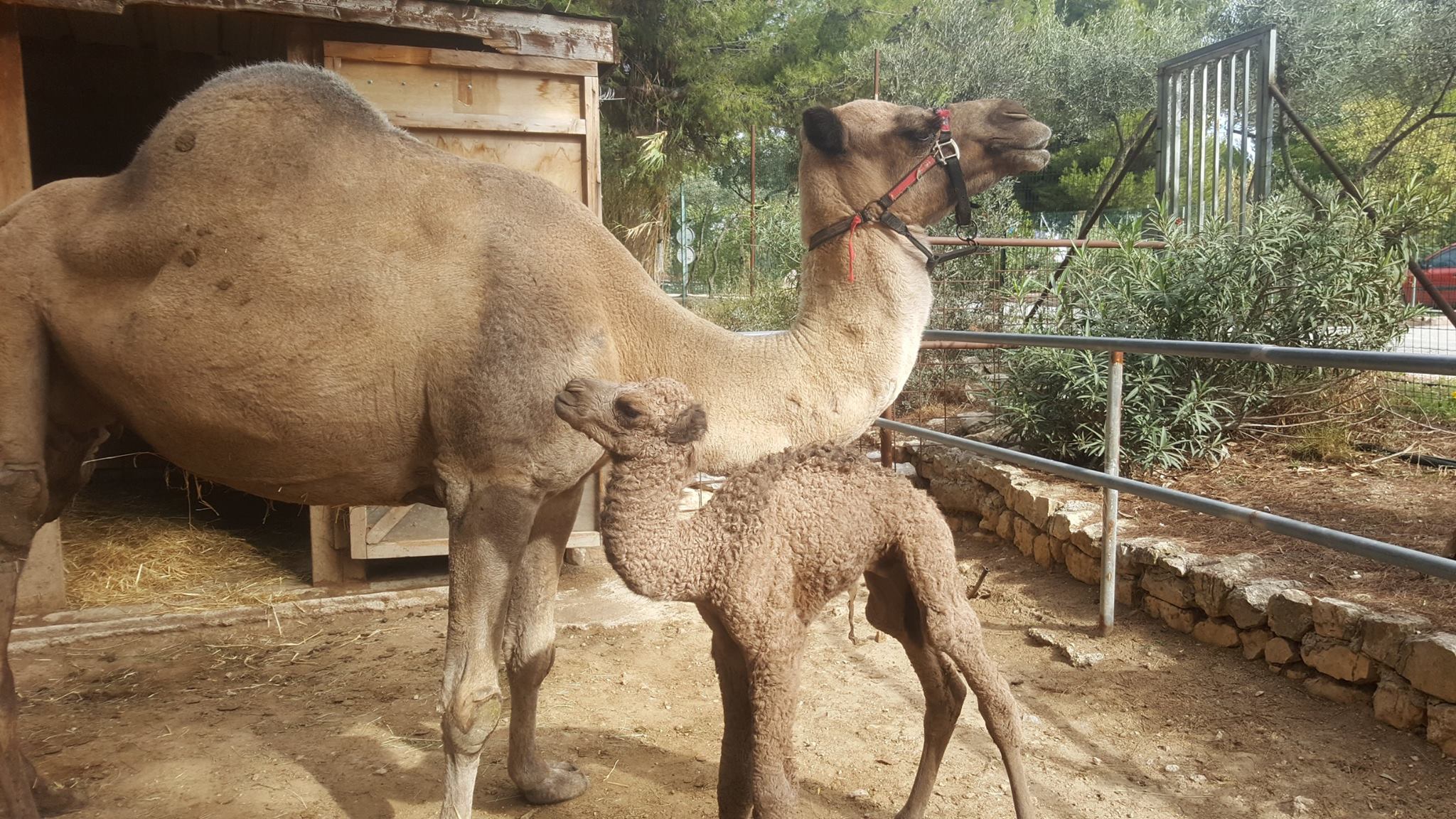
They breed regularly at the campground, a sign of good health and well-being. In the spring, there are many births.
The newborns capture the full attention of guests, who are charmed by the young animals’ first steps.
Given the presence of pets from around the world and the various activities in which they
participate, pets are not allowed on the campground premises for safety reasons.

Dromedaries and Camels
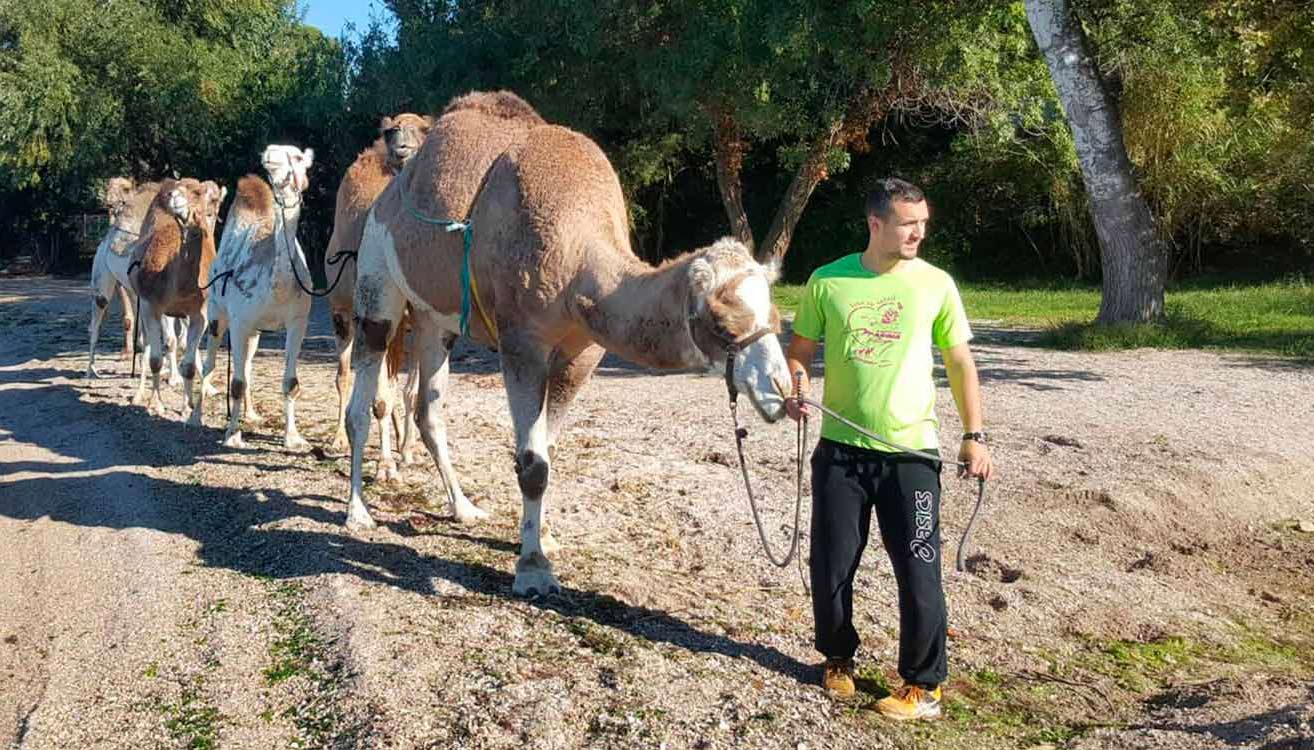
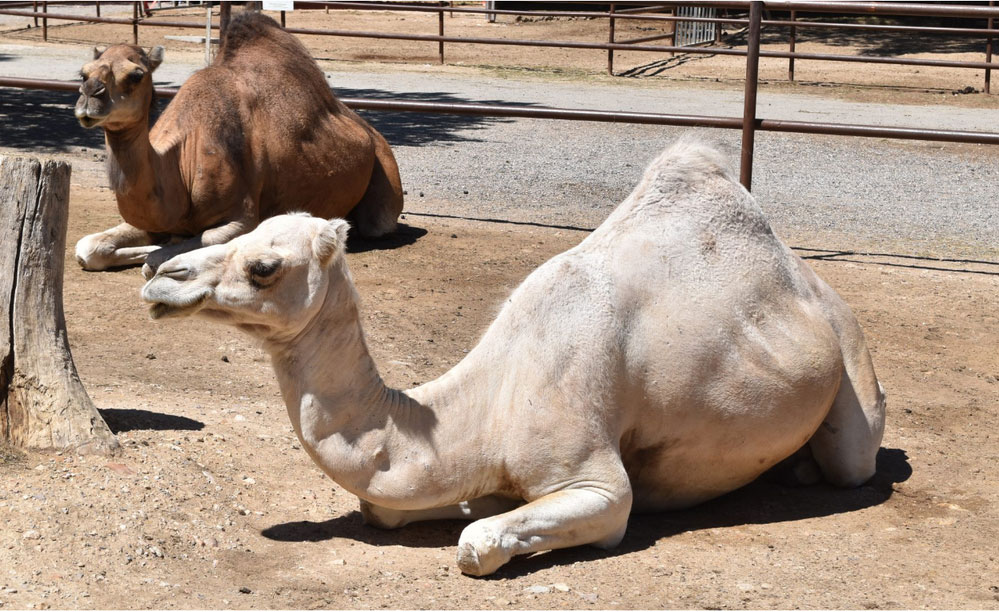
Camelids enjoy the company of humans, just as horses do. Interacting with people helps reduce their stress. They weigh between 400 and 700 kg and can easily carry 150 to 300 kg. Thanks to their strength, Marina Plage can offer you rides on their backs*!
*(Activity offered only during the summer season).

Ponies and Horses
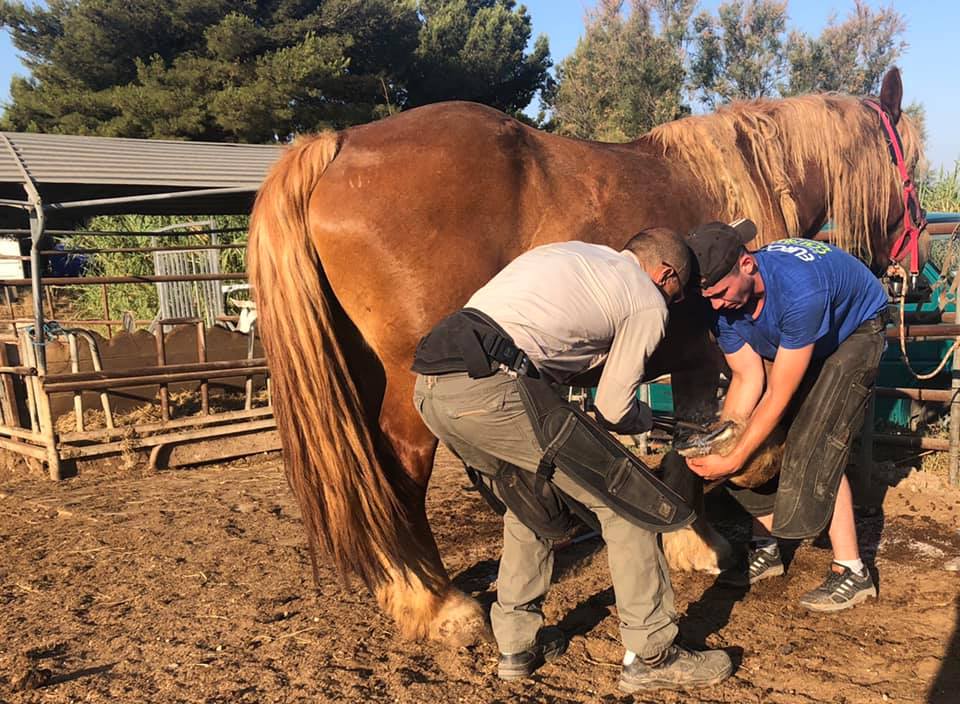
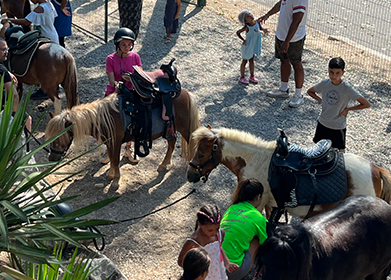
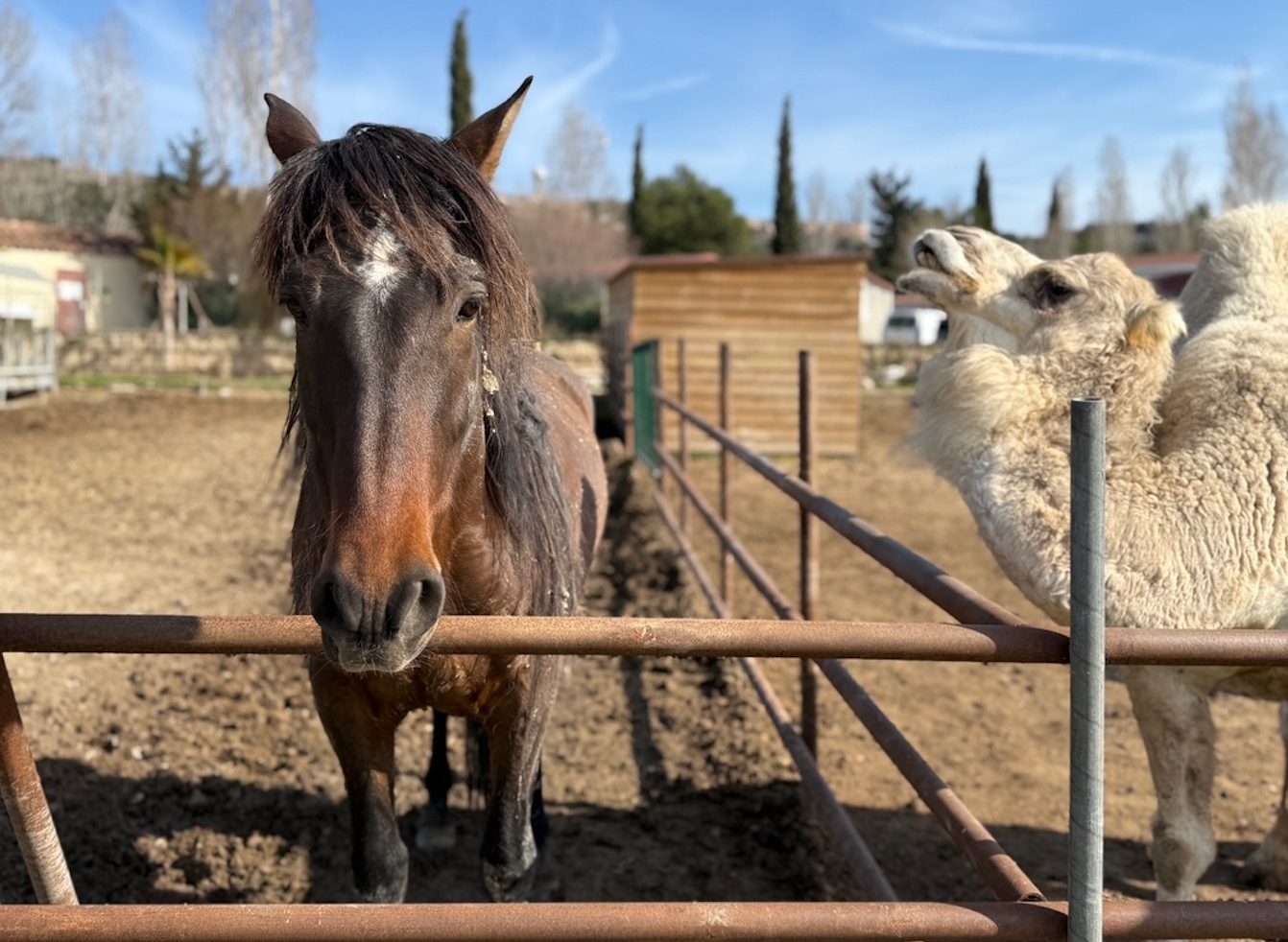
Ponies and horses share the space at Marina Plage. Although their physiques differ, they are all hoofed mammals with a timid nature. The position of their ears and the movement of their nostrils reveal their mood. These noble animals always seem to want to communicate with humans through their large, expressive eyes. At times, they get restless, chase each other, or roll around on the ground. Once they’ve worked off their energy, they regain their calm and move gracefully and elegantly to come and meet you. Hardy by nature, they live outdoors year-round. Strong and resilient, they can pull up to four times their own weight.


Llamas
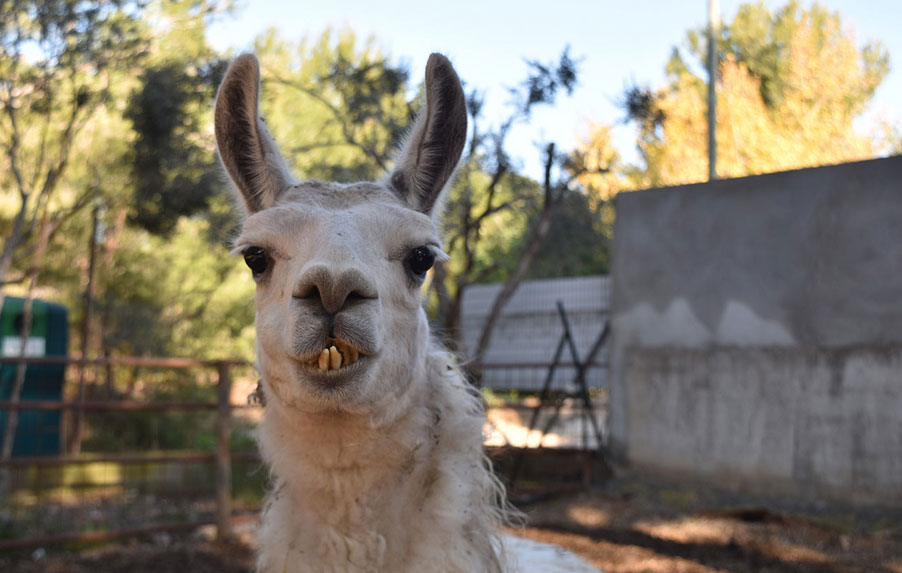
Native to South America, llamas are members of the camelid family. You can approach their enclosures without fear. Their reputation for using spit as a means of defense is true only when the animal feels threatened and cornered. In most cases, they prefer to flee if the situation makes them uncomfortable. Before doing so, they lower their ears and click their tongues to signal their displeasure. Thanks to frequent births, the llama family at Marina Plage is growing.


Giant Land Turtles
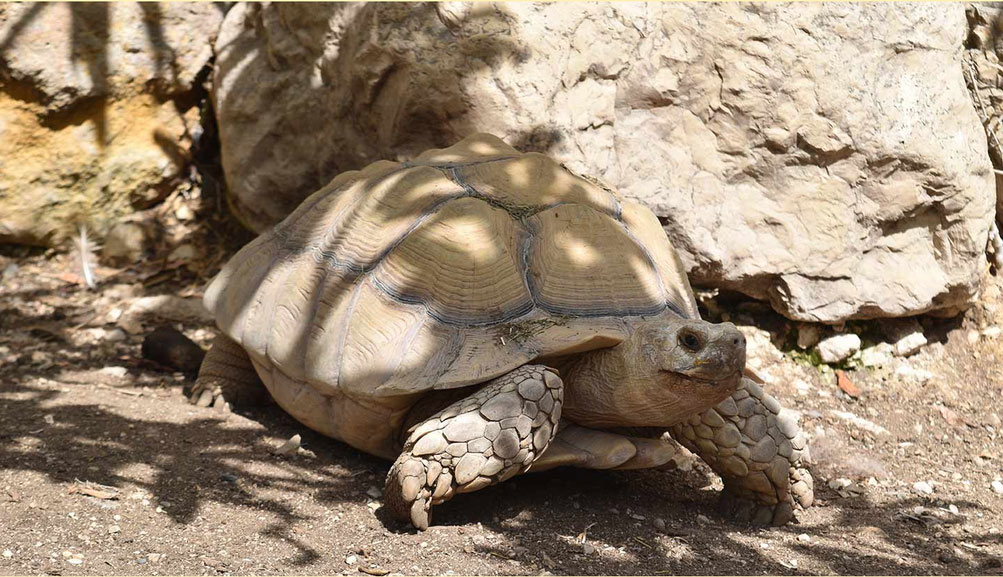
African Sulcata tortoises can live up to 110 years. They are impressively large. In winter, they stay warm in their heated shelters. As soon as temperatures rise, their constant wanderings and regular courtship displays catch the eye of guests passing by their enclosure on their way to the campground’s front desk.

Aquatic Turtles
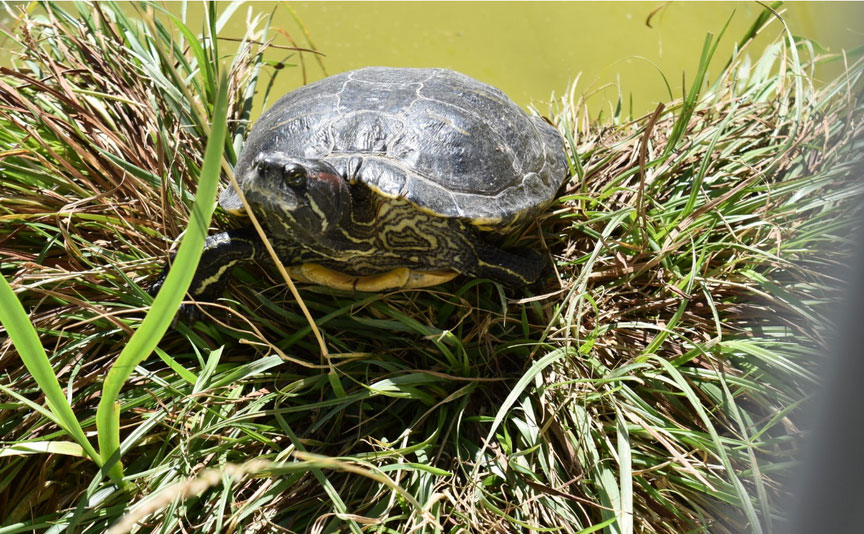
These lovely Florida turtles, which were introduced to Europe, are recognizable by the red spots on their temples. They live in a large tank with a beach where they bask to enjoy the sun. UVA and UVB rays are essential to their good health. They share the tank with goldfish. They have a hearty appetite, and after a long period of hibernation, they enjoy carrots, lettuce, tomatoes, melons, bananas, and especially leftover fish, shrimp, and so on.
They can live up to 40 years.


Peacocks
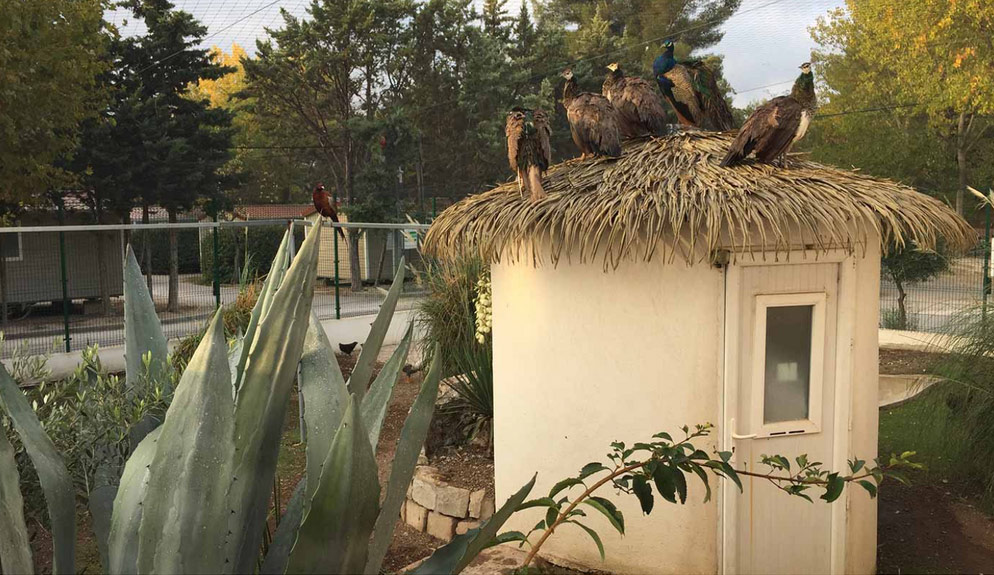
Large birds whose males perform beautiful, colorful displays with their tails to attract females. Their shrill calls are sure to bring a smile to your face, as they seem to be calling out “Léon.” Be
sure to check out the all-white peacocks and the opal-colored peacocks at Marina Plage.


Goats
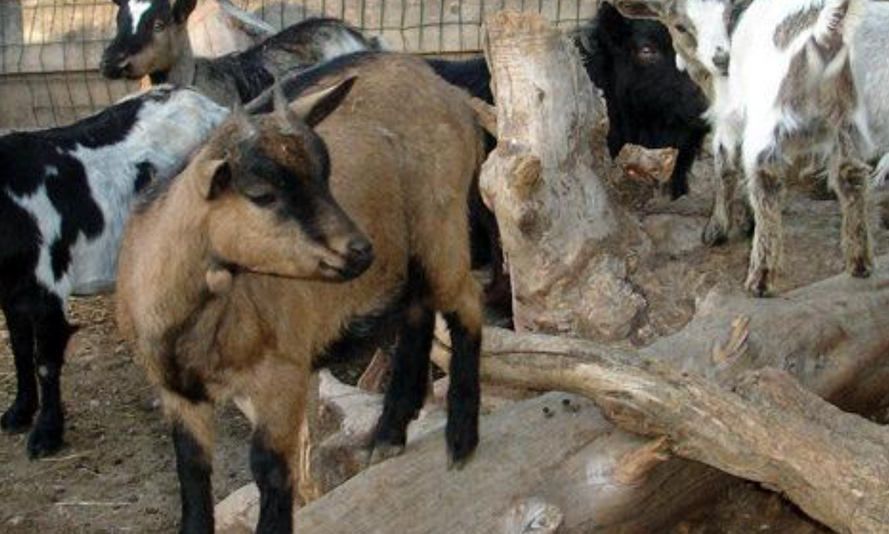
Along with their adorable little kids, the goats and billy goats are constantly performing acrobatic feats and playing pranks in their terrain, which features slopes and rocks. As traditional icons
of Provence, watching them is always a delight.


Yaks from Tibet
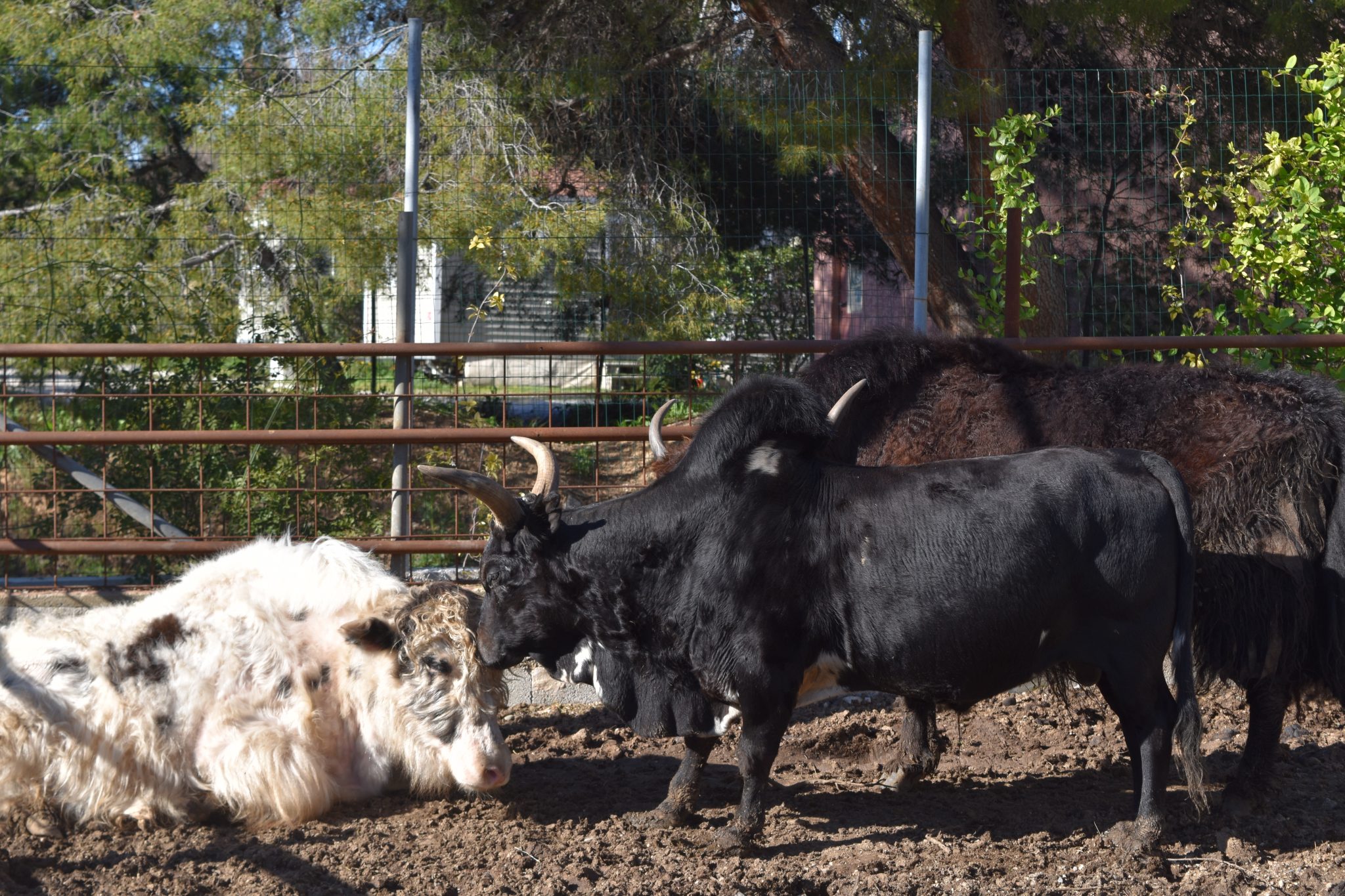
As domestic ruminant mammals of the Tibetan mountains, they are an integral part of Tibetan rural life and the economy of this distant country. They are accustomed to extreme temperature fluctuations and tolerate them well. You’ll recognize yaks by their highly curved horns. These peaceful animals will convey a pleasant sense of serenity through their calm demeanor and slow, measured movements.


Animal welfare—a cause that's close
to our hearts!
At Marina Plage, animal welfare is a cause close to the hearts of the entire management team and staff!
So it’s only natural that our teams look after all the animals at the wildlife parks 7 days a week. Trained and specialized, our employees clean the enclosures, feed the animals, and provide care every day.
Regular follow-ups with veterinarians round out the program.
Parents should make sure their children treat the animals with care. Feeding the animals is not allowed in order to respect their diet.
An unprecedented opportunity to get up close with camelids!
Marina Plage is a member of the Association of French Camel Herders and employs working methods tailored to the management of dromedaries and camels, with respect for animal welfare.
This management approach is recognized by the profession of camelid breeders and caretakers—true scientists who are both experienced and passionate—who travel the world to refine their expertise and pass it on.
The campground’s animal park manager hones his expertise through trips to France and the Canary Islands (Europe’s leading producer of camelids), in order to visit breeding operations (the largest of which has several hundred camels and dromedaries on the island of Fuerteventura). These enriching trips strengthen friendly ties with partner camel herders and “camel breeders.”
Camelids adapt easily to the region’s temperatures. Originally from arid regions (the Canary Islands and the Arabian Peninsula), the Mediterranean climate is perfectly suited to the physical constitution of dromedaries and camels.
The Marina Plage campground has set up special shelters . The camelids seek shelter there, especially during rainstorms, because they are sensitive to moisture.
The abundance of food and water are favorable conditions for the thriving of these animals. In France, the diseases to which they are susceptible in their natural habitat either do not exist or are very well controlled by the veterinarians who care for them